How Can a Period Underwear Manufacturer Help Startups Grow?
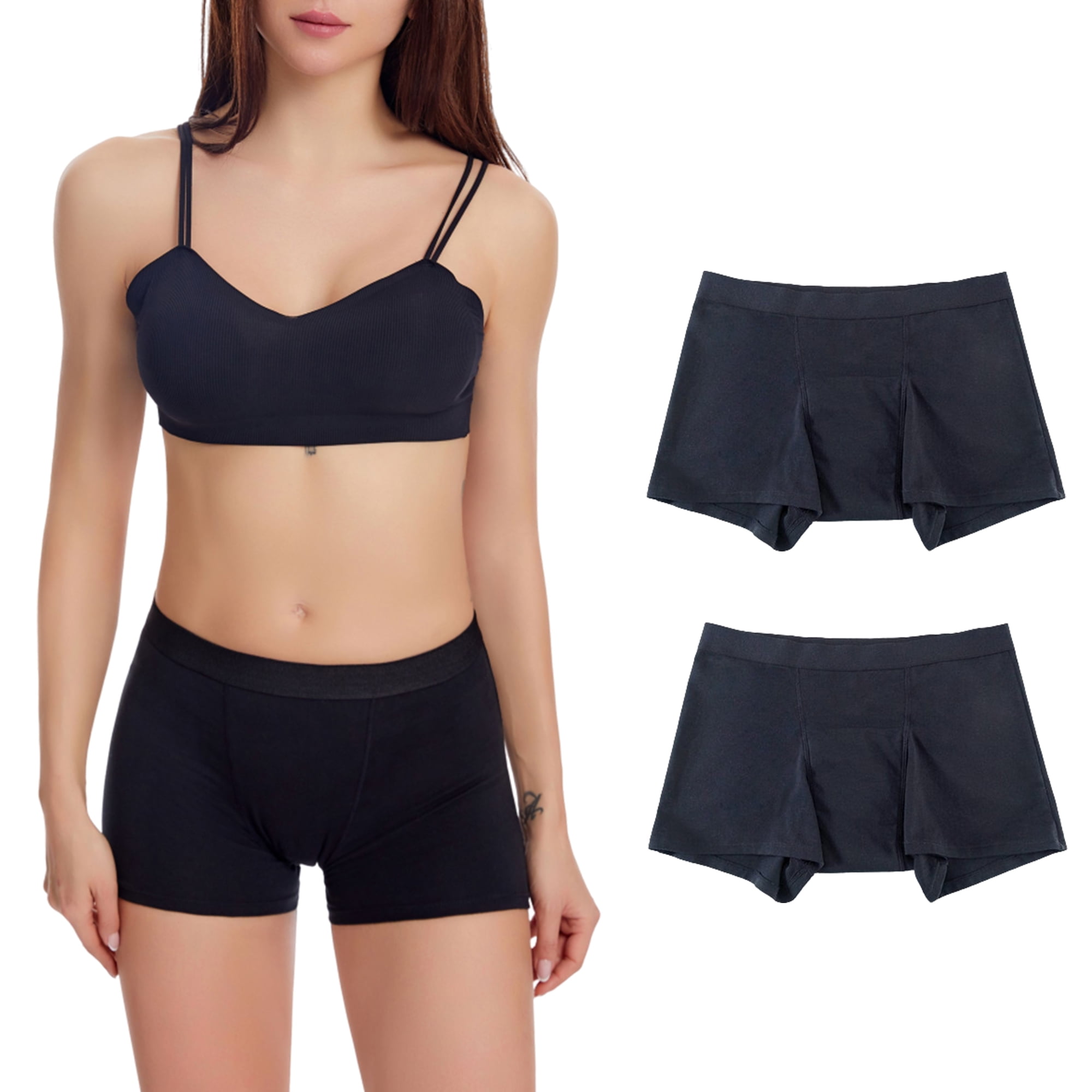
A period underwear manufacturer can help a startup grow by reducing product-development work, controlling early inventory, improving repeat-order consistency, and providing technical knowledge that a small brand may not have in-house. A 2023 European Commission proposal estimated that a woman who uses disposable menstrual products can consume more than 10,000 items over a lifetime, helping explain demand for reusable alternatives. For a startup, manufacturing support matters at a practical level: a supplier can develop absorbent gussets, grade 6–8 sizes, test wash performance, manage 20–40 SKU combinations, and move from hundreds of trial units to larger repeat orders without rebuilding the product from the beginning.
A new period underwear brand usually starts with a customer idea, a target retail price, and several sketches rather than a complete technical package. The manufacturer has to turn those ideas into fabric weight, fiber composition, seam type, elastic width, gusset dimensions, layer placement, tolerances, and size specifications. A collection containing 2 cuts, 3 colors, and 7 sizes already creates 42 SKUs, so small errors made during development can multiply across a surprisingly large amount of inventory.
That SKU count makes product engineering more important before bulk production begins. Period underwear commonly combines a skin-facing layer, an absorbent structure, a leak-resistant layer, and an outer fabric, although the exact construction varies by product. If one material shrinks 4% after laundering while another remains stable, the finished gusset can distort; a factory therefore needs to evaluate materials as a complete garment rather than approve every fabric separately.
A useful sample is not simply a garment that looks correct on a table. It should show whether the fit, absorbent area, seams, stretch recovery, thickness, and laundering performance remain acceptable under the conditions specified by the brand.
Sampling then becomes a controlled way to remove expensive mistakes before production. A startup may review an initial prototype, fit sample, revised sample, and pre-production sample before approving bulk manufacturing. If 4 sample rounds require 7 days each, poor communication can add 28 days before production even starts; using one technical team for patterns, materials, gusset construction, and sewing can shorten the feedback route.
Fit needs the same attention because underwear sizing cannot be judged from one sample size. A manufacturer may begin with a base size and grade measurements across 6, 7, or 8 sizes, checking waist, hip, rise, leg opening, and gusset position. Even a 1 cm placement difference can change how the absorbent area sits on the body, especially when the product is expected to provide front-to-back protection.
Once fit is stable, absorbency claims need measurable specifications rather than labels such as “light,” “heavy,” or “overnight.” A brand should agree with its supplier on the test method, sample condition, liquid amount, test duration, and pass criteria. Testing 5 specimens from the same construction gives more useful development information than relying on one sample, while larger or independent testing may be appropriate for claims used on packaging or retail pages.
| Area | What the startup should define | What the manufacturer can control |
|---|---|---|
| Absorbency | Intended use and stated performance | Layer materials, area and construction |
| Fit | Size range and fit standard | Pattern grading and tolerances |
| Washing | Care instructions and expected durability | Material compatibility and seam quality |
| Leakage | Coverage requirements | Barrier placement and gusset construction |
| Appearance | Colors, finish and branding | Dye lots, sewing and label placement |
Performance specifications lead naturally to material selection. Underwear sits against the skin for hours, so startups should ask for fiber composition, material specifications, applicable chemical-testing documentation, and care requirements before approving production. In the EU, REACH restrictions cover certain hazardous substances in textiles, while brands selling in other markets need to check the rules and labeling requirements that apply there; a 2026 launch should therefore build compliance work into development rather than add it after packaging has been printed.
Material documentation also matters when a startup wants to make sustainability claims. The European Commission has reported that EU textile consumption has a substantial environmental footprint, while reusable menstrual products are designed for repeated use rather than single-use disposal. A brand claiming that underwear lasts 50 or 100 washes should have a defined basis for that statement instead of treating repeated washing as an automatic property of every fabric and laminate.
Washing changes more than appearance. Repeated cycles can affect elastic recovery, dimensions, bonding, surface texture, absorbency behavior, and the relationship between multiple layers, so development samples should be evaluated after laundering when wash durability forms part of the product promise.
After the product specification is stable, inventory becomes the next issue. Consider a startup offering 2 styles × 4 colors × 7 sizes: the range contains 56 SKUs. At only 50 units per SKU, the opening order reaches 2,800 pieces. At a hypothetical landed cost of €8 per piece, €22,400 is committed before marketing costs, fulfillment fees, returns, taxes, photography, or customer service are included.
A manufacturer willing to support smaller first orders can reduce that exposure. Instead of ordering 100 units across all 56 combinations, a brand might concentrate stock in 2 main colors and use smaller quantities for secondary colors. Sales from the first 30–60 days can then show whether size M in black sells much faster than size XS in a seasonal color, giving the next purchase order a stronger basis.
Small orders are useful only when repeat production remains consistent, which moves attention from MOQ to factory records. Approved fabric codes, color references, patterns, measurement charts, elastic specifications, stitch requirements, label positions, gusset construction, packaging instructions, and approved samples should remain attached to the style. A reorder placed 6 months later should not depend on a production worker remembering how the first batch was made.
Companies such as Ljvogues illustrate the type of manufacturing relationship startups may consider when looking for period underwear development and private-label production. Supplier evaluation should still be based on documented capabilities, sample quality, communication, testing arrangements, production terms, and consistency rather than website claims alone; asking for a 20–30 piece pilot where commercially practical can reveal issues that one showroom sample will not show.
Production inspection becomes more important as order size increases. For an order of 5,000 units, a 2% defect rate represents 100 pieces; at 20,000 units, the same rate represents 400. Inspection therefore needs to happen during material receiving, cutting, sewing, measurement checks, gusset placement, finishing, and packing rather than waiting until cartons are closed.
A startup can make quality discussions more precise by defining tolerances before production. Waist measurements, for example, can have an agreed tolerance appropriate to the garment and fabric, while label position, visible stitching, stains, holes, skipped stitches, packaging, and color differences can have separate acceptance rules. The factory and brand should use the same specification version; a measurement sheet revised in 2026 but not sent to the sewing line can create an entire batch based on an older standard.
Quality control works better when “good” and “bad” are measurable. A photograph, approved sample, measurement table, test method, and written tolerance give production staff something repeatable to check.
Packaging adds another layer of coordination because a retail-ready item may need a main label, size label, care label, hangtag, barcode, individual bag or carton marking. A 7-size range in 4 colors already requires 28 size-color combinations before styles are multiplied. Incorrect barcode mapping can send the correct garment into the wrong inventory record, so packaging data should be checked against the final purchase order rather than copied from an early sample sheet.
The manufacturer can also help control timing by coordinating fabric, trims, sewing, inspection, and packaging under one production schedule. If fabric needs 20 days, garment production needs 25 days, and final inspection and packing require another 5 days, the startup is already working with roughly 50 days before international transport is considered. Adding a 2-week delay in custom packaging can turn a planned launch into an inventory gap.
Timing becomes more important after the first successful sales period because stockouts can interrupt advertising and repeat purchases. A brand selling 1,200 units per month with a 60-day production-and-delivery cycle needs to think about approximately two months of expected demand before stock reaches a low level, while allowing additional room for supplier or freight delays. The manufacturer can provide capacity and material lead-time information, but the sales forecast remains the brand’s responsibility.
Cost discussions should therefore extend beyond the factory unit price. A €0.40 saving per garment appears substantial across 10,000 units, producing €4,000 in purchase-price savings, but a supplier that creates an additional 3% of unusable or returned units can remove much of that difference. Startups should compare sampling fees, tooling, labels, packaging, testing, MOQ, payment terms, defect handling, freight preparation, and reorder consistency alongside the quoted garment price.
Growth also changes what a brand needs from its supplier. A first run may contain 1,000 units, followed by 3,000 and then 10,000 if demand develops. The manufacturer needs enough production planning capacity to increase volume without changing approved materials or construction simply because the order is larger. Startups should ask what happens when monthly requirements rise by 200% and whether important fabrics can still be sourced under the same specification.
Larger orders also create an opportunity to improve the product from customer feedback. If 300 verified buyers repeatedly report that rear gusset coverage is too short, the brand can give the factory a measurable revision request rather than redesigning the entire garment. If returns show that one size accounts for 18% of fit-related complaints while neighboring sizes remain below 7%, the grading and measurement data deserve review before another production run.
That feedback process can extend into new products without multiplying complexity too quickly. A startup with one proven brief may test a higher-rise version, a lighter absorbency option, or an overnight style while retaining selected fabrics, waistband components, labels, and packaging dimensions. Reusing proven components can reduce the number of new variables in development and makes comparison with the previous 2025 or 2026 production specification easier.
The commercial relationship becomes more useful when both parties keep records across those revisions. Purchase-order history shows quantities; inspection reports show manufacturing issues; return data shows customer-facing problems; wash testing shows durability; sales data shows which of 30–60 SKUs deserve reorders. A manufacturer does not replace the startup’s product, compliance, finance, or merchandising teams, but good factory records give each team more reliable information.
For a young period underwear brand, growth is therefore closely connected to manufacturing discipline: fewer unsupported product claims, measurable specifications, controlled first orders, documented reorders, and production capacity that can rise from hundreds to thousands of units. The manufacturer’s contribution is strongest when product performance, inventory size, quality standards, lead times, and future volume are discussed before the purchase order is signed, because correcting a specification on a sample costs far less than correcting it across 5,000 finished garments.